705.293.6946
For Service Call Now
Welcome to Oxi6 Pest Idenfication Gallery - Q&A
PEST GALLERY

Millipede
Color: Black
Family: Arthtopods
Order: Spirobolida
Millipedes are brown or black but can also be orange or red. They range in size from 5/8" to 4 inches in lenght. They are long cylindrical, many segmented worm-like creatures.

Centipede
Color: Black
Family: Arthtopods
Order: Spirobolida
Centipedes are found outdoors in situations where there is moisture and decaying organic matter. They are common under trash, grass clippings, mulch, rotting firewood, etc.

Bed bug
Color: Black
Family: Arthtopods
Order: Spirobolida
Bed bug populations are exploding across North America. These pests feed primarily on the blood of sleeping humans. Bed bug infestations have traumatic emotional impacts on their victims and their families and generally can only be eliminated by a highly trained pest-professional. Abell’s bed bug services include at least two visits that include steaming treatments, hepa-vacuuming, spraying and dusting of target area. Our Guarantee is extended to most home owners, ask us for details.

Earwig
Color: Brown
Family: Forficulidae
Order: Dermaptera
The European earwig is one of the common pests in homes and gardens. If present in large numbers, the earwig may damage flowers, fruits, and vegetables.

Spider
Family: Theridiidae
Order: Araneae
Spiders are found commonly throughout North America. About twelve different species are commonly found in homes. Spiders have two body regions, connected by a restricted waist. The fused head thorax has two jaws, two palps, eight legs and eight or fewer eyes. The abdomen is unsegmented and hold the spinneret. The harvestman or daddy-long-legs spider differs in that its abdomen is segmented.

Cluster Fly
Family: Calliphoridae
Order: Diptera
Cluster flies may be mistaken for small house flies. They typically appear in rural homes in the spring and fall, swarming doors and windows.
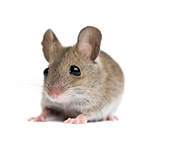
Mouse
The house mouse is common in all parts of Canada and the U.S.A. The house mouse is dusty grey in colour and measures from 110 to 150 mm in length with large ears and small eyes. The tail is usually the same length as the mouse. The house mouse is sometimes confused with the deer mouse which is pale grey to reddish brown in colour and has a bi-coloured tail, with a white underside.

Rat
The Norway rat is common in most parts of Canada and the United States. Rats attack the food of man in the farm fields, orchards, and livestock facilities, during its processing, storage and transport, and while it is in our supermarkets, restaurants and homes. What rats do not eat, they spoil by contaminating it with their urine, faeces or fur. It is estimated that rats and mice destroy enough food each year to feed 200 million people.
